Identity is the core of cloud security because most cloud operations are performed through authenticated users or automated service accounts. If an identity is compromised an attacker gains access to anything that identity is allowed to do. Strong identity practices help limit risks.
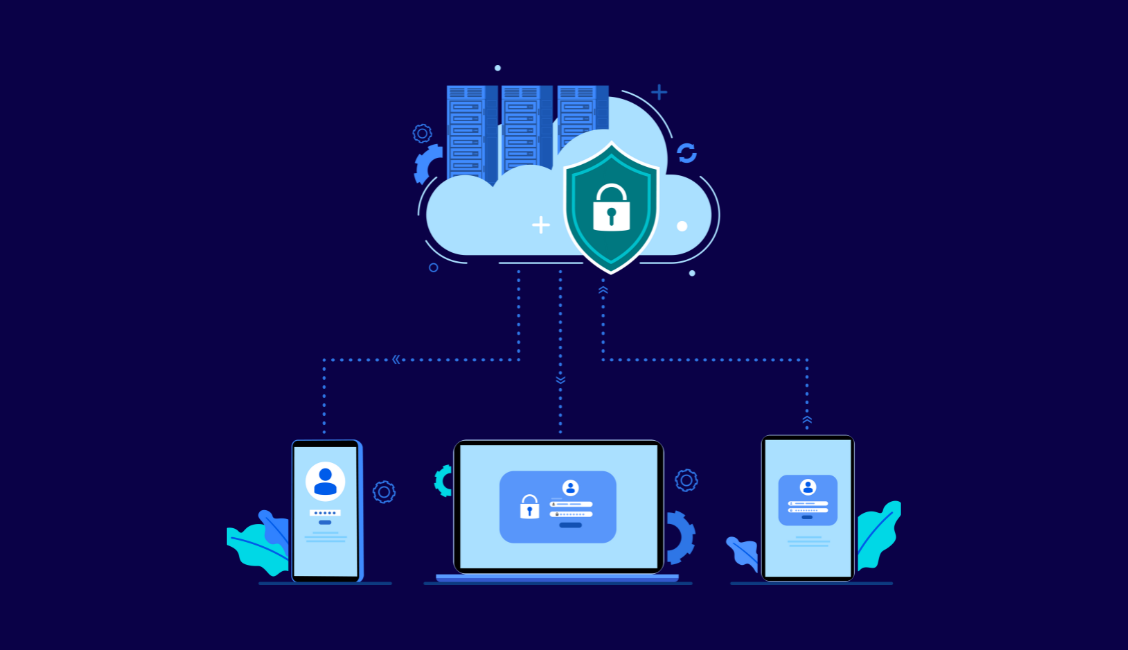
Key Concepts:
- Authentication: Authentication verifies the identity of a user or service. Cloud platforms use methods such as passwords hardware keys and one time codes. Multi Factor Authentication adds another requirement which prevents attackers from using stolen passwords alone. This greatly reduces unauthorized access.
- Authorization: Authorization defines what actions an identity can perform. It determines whether a user can view data create new servers or modify network rules. Cloud environments rely heavily on permission policies so organizations must review these settings carefully.
- Least Privilege: Least privilege gives each identity only the access needed to perform its job. This reduces the damage possible if the identity is compromised. Least privilege requires regular review because roles change over time and permissions may no longer be necessary.
- Key IAM Technologies: Cloud environments include identity providers role based access control attribute based access control and privileged access management. These tools enforce who can do what and create detailed logs of all authentication and authorization actions. IAM systems form the foundation of access control.
Course 12 is currently under progress. Please come back later!
Back to Course Content> Course 11 - Introduction
 Networking Quiz 1